![ECOG-ACRIN logo[19516]275×75](https://blog.ecog-acrin.org/wp-content/uploads/2021/03/ECOG-ACRIN-logo19516275x75.png)

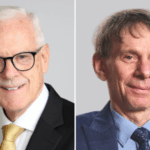
From the Co-Chairs, September 2026
September 24, 2026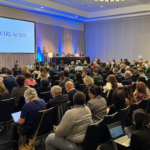
Plan Ahead for the ECOG-ACRIN Fall 2026 Group Meeting
September 24, 2026Coming Soon: EAQ241CD/LIFT UP to Address Financial Hardship for Adolescent and Young Adult (AYA) Cancer Survivors

EAQ241CD – Addressing Financial Hardship in AYA Cancer Survivors: Efficacy and Implementation of a Multilevel Intervention (LIFT UP) in Community-Based Oncology Practices
Individuals diagnosed with cancer between the ages of 15 and 39, referred to as adolescents and young adults (AYAs), experience significant and extended disruption in their lives and are at greater risk of financial hardship than healthy peers. The economic and human costs of cancer in AYAs are considerable: they may be uninsured or have inadequate insurance, possess limited financial assets, and experience significant interruptions in their work and ability to earn income. These factors lead to greater financial strain during and after treatment.
Since most patients with cancer in the United States receive treatment in community-based settings, at-risk AYA cancer survivors are unlikely to have access to tailored financial support resources. When these resources are available, academic medical centers typically provide them. ECOG-ACRIN Cancer Research Group plans to launch a clinical trial to test a new program that provides education and tailored financial information resources, delivered by patient navigators, to young adults struggling financially after cancer treatment.
The EAQ241CD study plans to test a streamlined version of two successful evidence-based interventions combined as a single, comprehensive case management system—LIFT UP. The first part is an education component known as CHAT (Let's CHAT About Health Insurance). The second, LIFT (Lessening the Impact of Financial Toxicity), addresses organization-level determinants of financial hardship by coordinating access to financial assistance programs; assessing eligibility for financial support resources; clarifying treatment cost expectations; and helping patients develop a plan to cope with costs of care. Both components consist of virtual, interactive sessions conducted with a patient navigator via teleconferencing software (e.g., Microsoft Teams).
LIFT UP will be studied among National Cancer Institute (NCI) Community Oncology Research Program (NCORP) sites across the country, with a planned enrollment of 408. Eligible participants may have had any type of cancer other than non-melanoma skin cancer. They must be within 5 years of completion of treatment aimed at curing their cancer and leading to a full recovery (curative-intent therapy).
They will be randomized 1:1 to the LIFT UP intervention (delivered via videoconference by a trained financial navigator) or usual care (the financial screening/navigation services typically provided at the participating NCORP site). Participants in both arms will be asked to complete online questionnaires at regular intervals. In addition, 18 AYA participants in the LIFT UP arm will be asked to complete qualitative interviews.
The co-primary objectives of this study are to test whether LIFT UP reduces self-reported financial toxicity and increases self-reported health insurance literacy from baseline to 6-month follow-up. Results will be compared with the control arm.
Interviews with 40 participating site staff are also planned (e.g., patient navigators, financial counselors, and social workers) to identify barriers and facilitators of LIFT UP implementation. This study has multiple secondary and exploratory objectives.
Researchers’ goal is to provide accessible, actionable, and applicable information so participants feel more empowered to advocate for themselves regarding their health care and health insurance needs. They hope results will help to identify when LIFT UP should be delivered, which AYAs should receive the intervention, and what strategies are needed for successful implementation. Results will guide a future implementation trial.
The study chair for this trial is John M. Salsman, PhD (Wake Forest University School of Medicine), and the co-chair is Sarah A. Birken, PhD, MSPH (Wake Forest University School of Medicine). The community co-chair is Christian S. Adonizio, MD (Geisinger Cancer Institute NCORP).
